Why Wise Owl Early Learning Centre Pukekohe?
Children can truly be children
At Wise Owl, we believe childhood isn’t something to rush through.
We protect time for play, wonder, exploration, friendships, laughter, messy hands, deep thinking, and those magical moments where a child suddenly realises:
“I can do this.”
Our kaiako don’t “fill children’s heads with information.” Instead, we create the conditions for learning — by setting up thoughtful spaces, tuning in closely, and guiding tamariki to build their own working theories about the world.
That means children learn in a way that is meaningful, lasting, and truly theirs.
Child-led learning… with highly intentional teaching
Our curriculum is play-based and child-led — but make no mistake… it’s not “hands off.”
Our teachers are skilled facilitators who notice children’s interests, strengths, and learning edges, and then gently extend them through:
-
rich conversations and storytelling
-
early literacy and numeracy in real-life ways
-
social problem-solving and emotional coaching
-
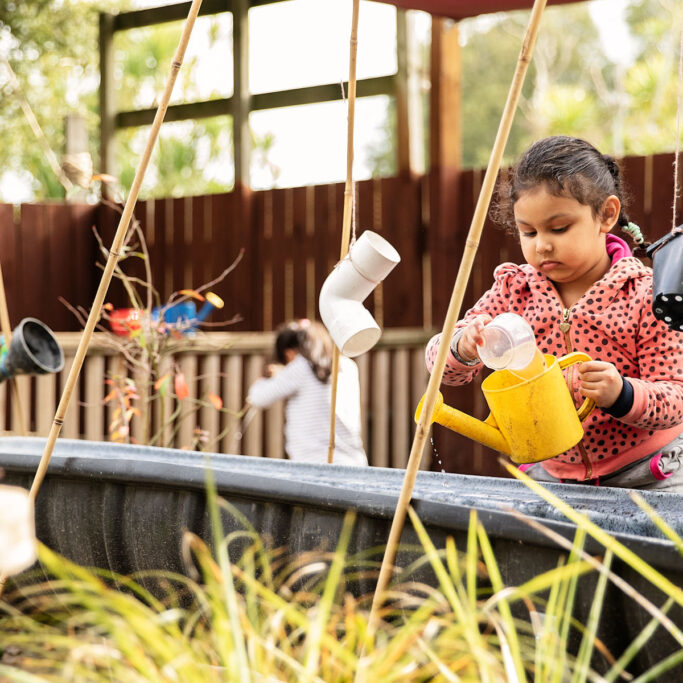
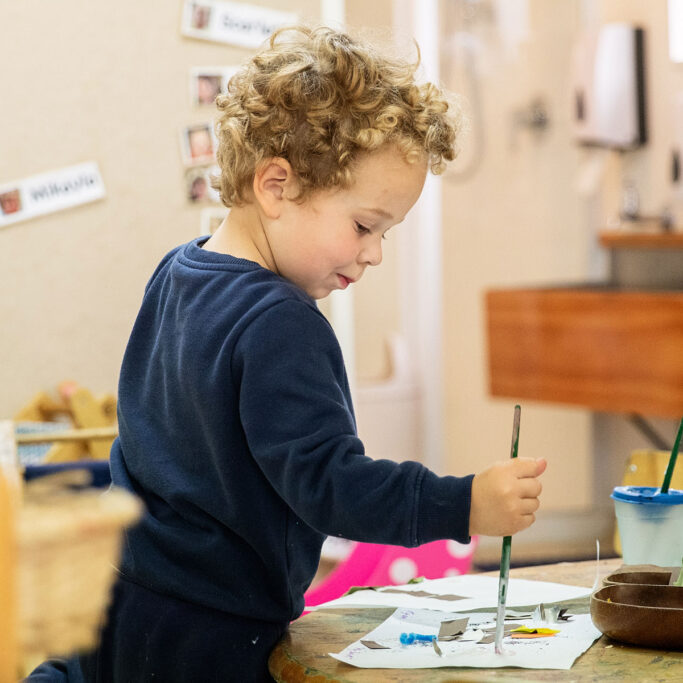
hands-on science, art, music, movement and outdoor exploration
-
opportunities for leadership, independence and responsibility
It’s a modern approach to education that supports children to become thinkers, not memorizers — and learners for life, not just learners for instructions.
Mixed-age magic (tuakana-teina in action)
Wise Owl is a mixed-age centre, which means children spend a lot of time learning alongside each other — not separated strictly by age.
This creates something really special:
older children learn empathy, leadership and patience…
and younger children learn confidence, language, and “I can do it too” bravery by watching and joining in.
It’s one of the reasons our centre feels like a real community — because it is.
The environment matters (and ours is intentionally spacious)
Our open-plan rooms are wonderfully spacious (well beyond the minimum requirements), giving children room to move, play deeply, create, connect, retreat, rejoin — and genuinely settle into their day.
You’ll notice there are “pockets of play” throughout Wise Owl — little spaces designed to invite exploration, collaboration, quiet focus, creativity, and big imagination.
We’re not about rushing children from activity to activity.
We’re about giving them time to go deep.
School readiness that doesn’t feel like school
One of the things we hear most often — from both whaanau and local schools — is that Wise Owl children stand out.
Not because they’ve been “pushed” early… but because they arrive at school with:
-
strong confidence and independence
-
early literacy and numeracy foundations
-
impressive communication and social skills
-
resilience and emotional strength
-
a genuine love of learning
-
the ability to think, problem-solve and contribute
These are the real markers of readiness — and the kind of readiness that lasts.
We support children to practise real-life skills too — like managing their own belongings, problem-solving with friends, speaking up in groups, sharing ideas, and taking pride in their environment.
A teaching team you can truly trust
Wise Owl is proud to have a team of qualified, experienced kaiako who are here for the right reasons — because they love children, they love learning, and they care deeply about whaanau.
We prioritise warm, respectful and professional relationships and strong communication with whaanau and amongst our team, so families feel connected, informed, and genuinely supported.
Because when a child feels safe and understood… learning follows naturally.
Healthy, hygienic, and planet-friendly
We take hygiene and health seriously, and we also care about the world our children are growing up in.
Wise Owl uses biodegradable products, has professional cleaning each evening, and we role model recycling and mindful practices wherever we can.
Brain Development/Stages
What we know about learning through play is that chidren’s brains between the ages of 0-6 months are developing their trust and relationships whilst learning about love and nurture. This is a time for close cuddles, lots of interaction and eye contact. Our babies brains will release a chemical called Oxytocin – or the love chemical.
From 6 to 18 months our brains are ready to learn about movement. Large and small movement. Gaining control over their bodies.
From 18 months to 7 years they are ready to develop emotionally and socially.
These are our focuses when planning our routines and environment.
Extensions, Urges and Rituals
Our teachers support children’s individual growth and dispositions by assisting as needed. By offering extension of language through conversation and a sense of wonder. We encourage independence and an awareness of social cues and etiquette. Being leaders in their own right, children can learn so naturally and meaningfully. By the time they are ready to move on from here, they are safe in the knowledge that they can do it and that they are valued members in our society.
As children are ready, they are encouraged to participate in larger group times.
Dispositions are combinations of children’s emerging knowledge, skills and attitudes to learning. Positive dispositions for learning include courage and curiosity, trust and playfulness, perseverance, confidence and responsibility.



Te Whariki
More on Te Whāriki Here

Nurturing, passionate Teachers
Meet our team here